Studio notes, production breakdowns, and AI marketing insights.
AI campaign work scales when the assets behave like a structured library: clear roles, consistent visual rules, rejection memory, and placement-ready variants.
Creative landing pages often do not need more explanation. They need stronger proof in the first movement: media rhythm, hero framing, and scroll behavior that prove visual control.
AI brand safety works best before generation starts. The real goal is to protect taste, trust, visual consistency, and legal exposure in one creative system.
A transcript with headings is not a blog strategy. Strong video-to-article work preserves the argument, rebuilds the structure, and makes the thinking useful without the video open.
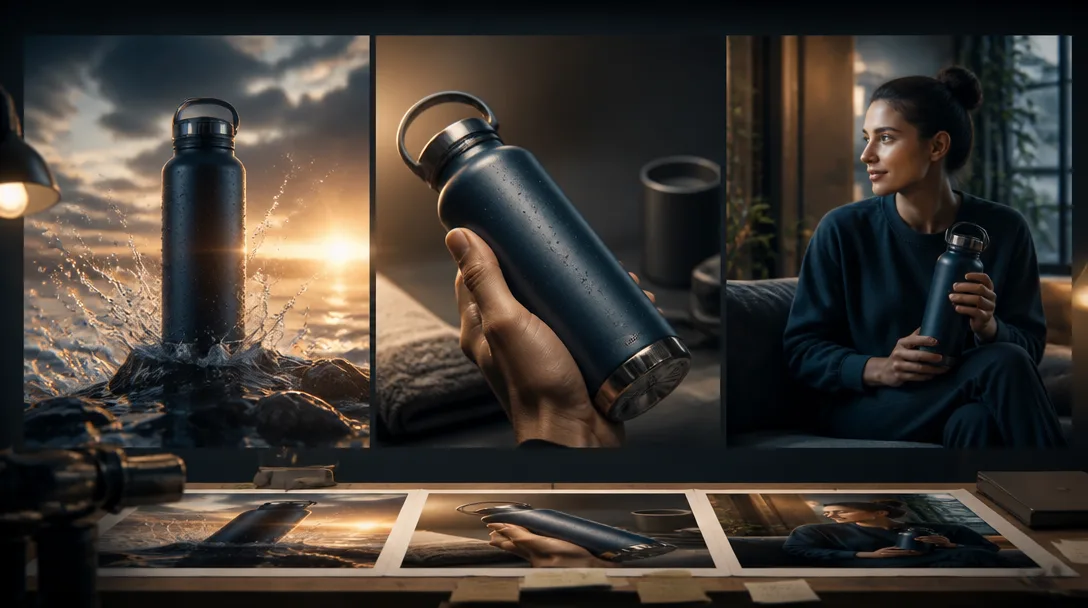
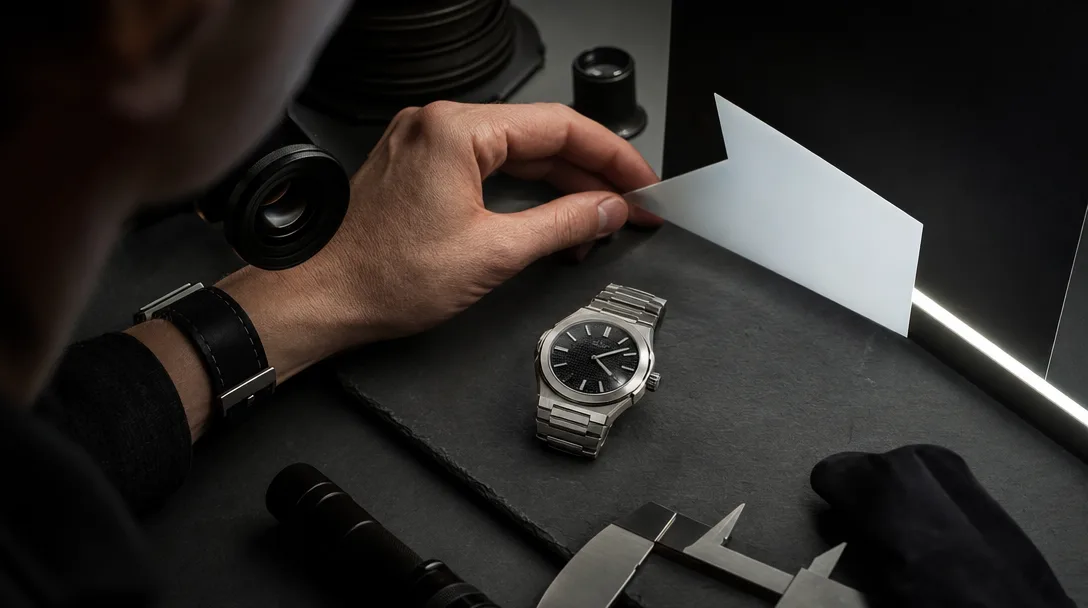
AI product visuals are powerful when they reduce launch drag without breaking material realism, lighting logic, or brand trust. The win is leverage, not synthetic spectacle.
Short-form content breaks less because of creativity and more because of the brittle system behind it. A premium operating model protects cadence, clarity, and team energy at the same time.
An AI influencer is useful only when it solves a real operational problem. Without governance, it becomes an expensive novelty instead of a durable brand system.
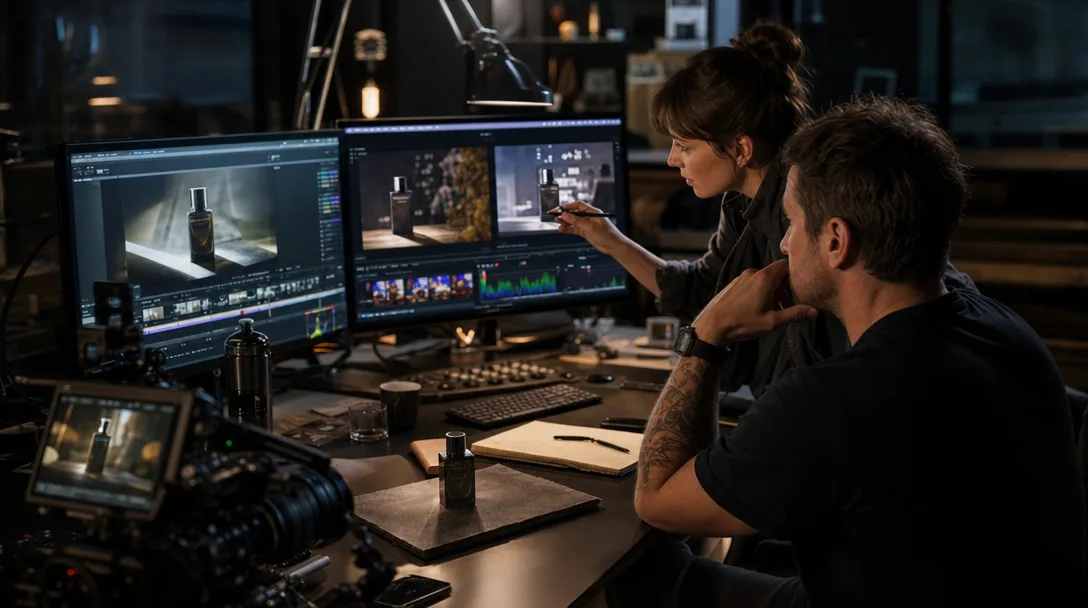
AI commercials become premium when the team makes fewer, sharper decisions in the right order. Speed is useful only when the workflow protects direction at every stage.
Cheap-looking AI ads usually fail before generation starts. The real fix is a sharper brief, tighter visual territory, and stricter selection after output arrives.
Premium studio sites do not win by explaining every capability. They win by signaling taste, selectivity, and control before the visitor even reaches the process section.